Here we share some of the highlights of the Social Care Council’s 25-year journey from its inception to where it is today.
2000
Where we started
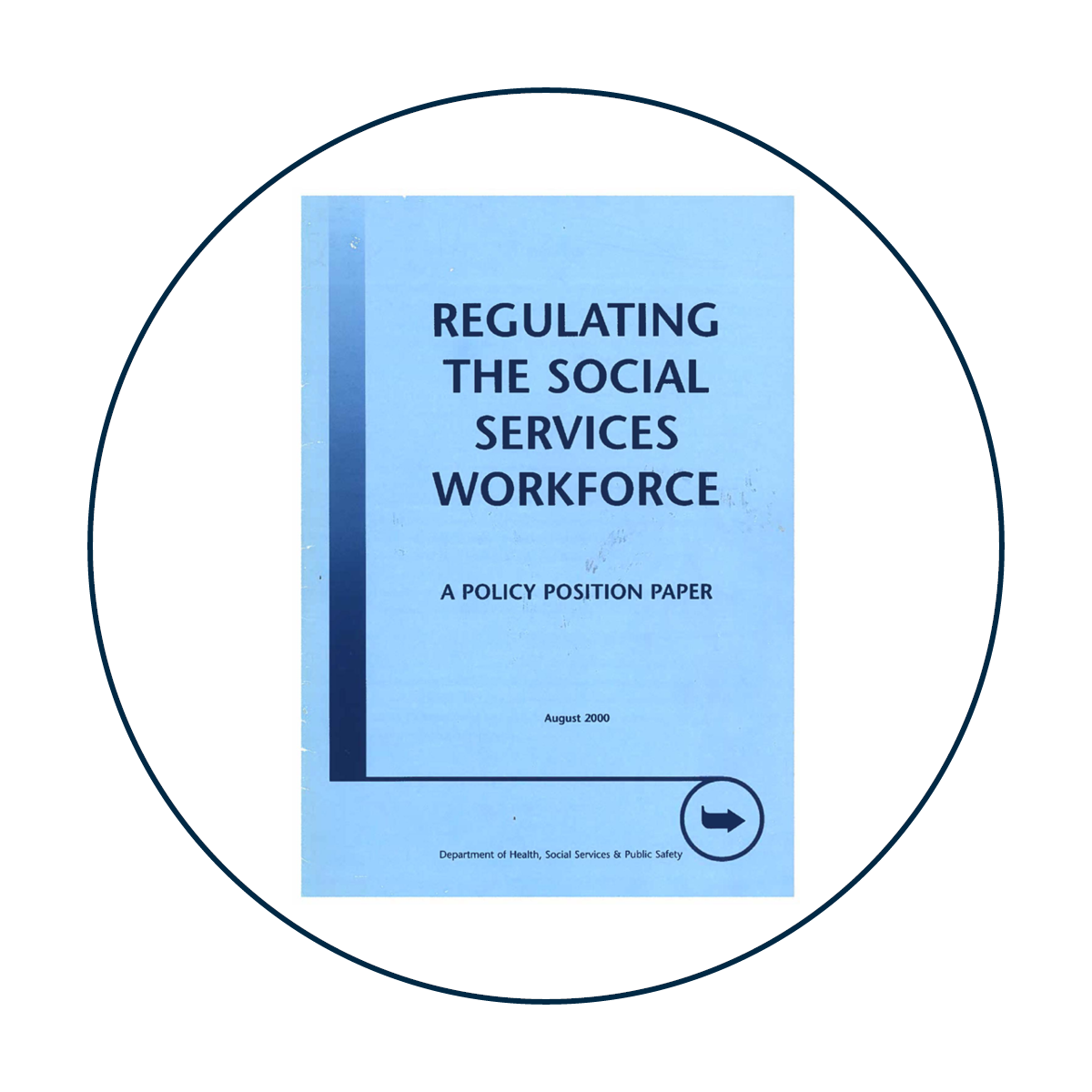
This is the document that initiated the Social Care Council Council – a command paper brought by our previous Chair Paul Martin (who was Chief Social Worker at the time) to the Northern Ireland Assembly for approval.
2001
Health and Personal Social Services Act (NI) 2001
Did you know?
This established the Northern Ireland Social Care Council. This was the first Act to be passed by the NI Assembly. Paul Martin, the Council’s former Chair, took this piece of legislation through the Assembly and received its approval.
1 October 2001 – Social Care Council started
Did you know?
The Social Care Council began with approximately 15 staff, it now has over 60. Its precursor body was the Central Council for Education and Training in Social Work (CCETSW).
The first meeting of its Board took place on 26 October 2001. There were 23 members plus a Chair.
2002
Did you know?
This was the first time social workers and social care practitioners had formal Codes of Practice.
2003
1 April 2003 – Registration of social workers and social care practitioners started
Did you know?
When registration started it was voluntary. It included social workers and also social care practitioners who worked in children’s homes, managers of residential homes and day care facilities. Northern Ireland was the first country to register social care practitioners in the UK.
2004
September 2004 – Start of the Degree in Social Work
Did you know?
The Degree in Social Work replaced the Diploma in Social Work and had two routes: a two-year Relevant Graduate Route (RGR) and a three-year Undergraduate Route (UGR). It was offered at the University of Ulster (now Ulster University) and Queens University.
Social work students were the first group to be registered on a compulsory basis and had to be registered to participate in the degree course.
Our Chief Executives
Who we are
Brendan Johnston: 2001 – 2013
Colum Conway: 2013 – 2018
Patricia Higgins: 2018 – 2024
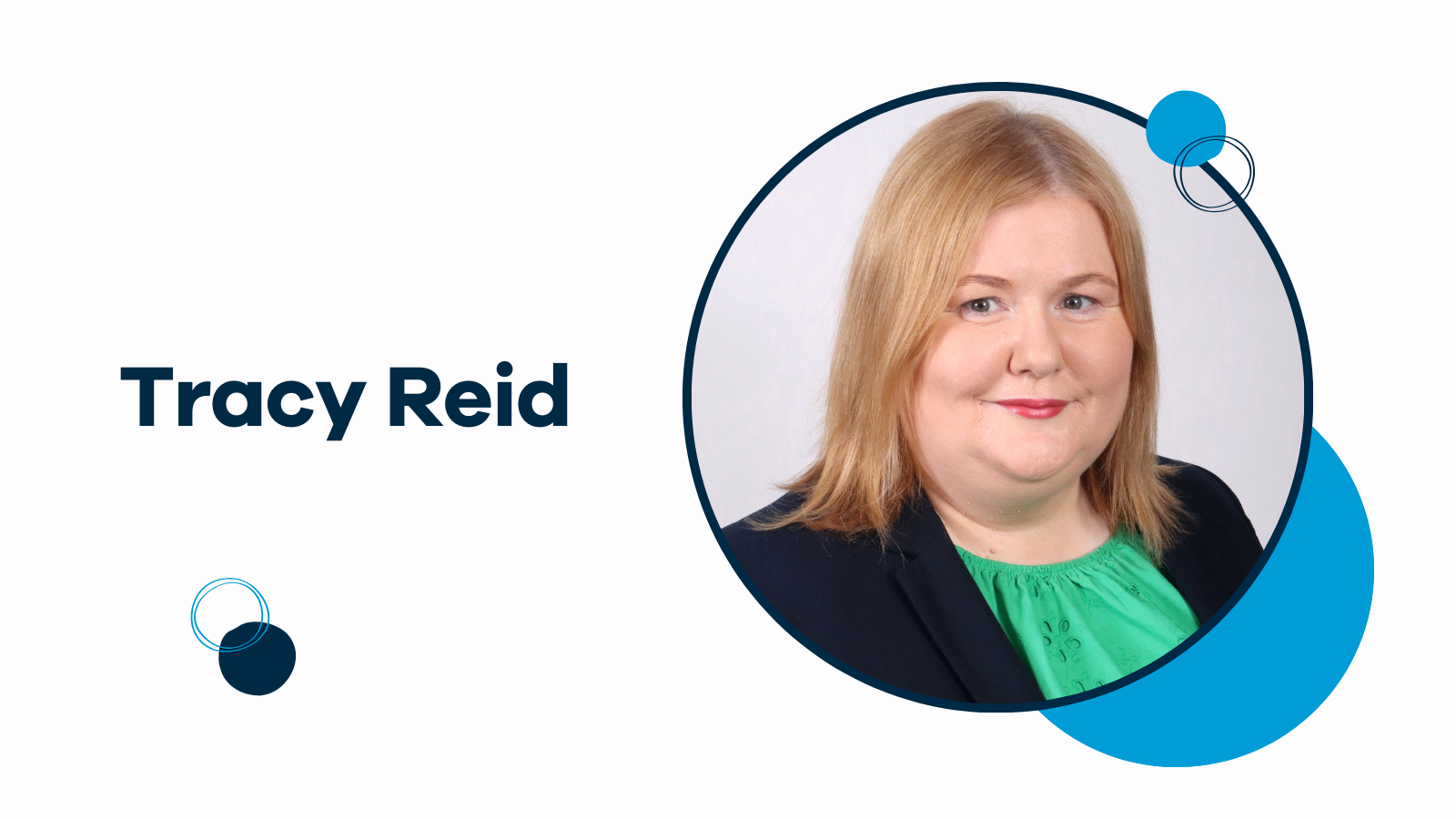
Tracy Reid: 2025 – present
2005
1 June 2005 – Social worker becomes a protected title

Did you know?
Across the UK, social worker becomes a protected title under law. This meant registration became compulsory for all social workers.
2006
June 2006 – Start of the Assessed Year in Employment (AYE) and new Northern Ireland Post Qualifying Framework approved
Did you know?
First new graduates from the Degree in Social Work started their AYE. The Social Care Council is the only body across the UK to have introduced a compulsory Assessed Year in Employment (AYE) as a condition of registration. The Relevant Graduate Route to the Degree in Social Work meant that the first graduates were starting as newly qualified social workers – with an AYE condition on their registration.
Northern Ireland was the first country in the UK to introduce the UK Post Qualifying Framework for Social Workers (now known as the Professional in Practice Framework (PiP)) and was the only country to establish its own Professional Awards with the NI PQ Framework.
2007
First conduct hearing took place
Did you know?
The first conduct hearing was held during 2007-08, now called Fitness to Practise (FtP) hearings.
There were six hearings held during 2007-08, this compares to 31 held during 2025-26.
Social Care Council changes
Did you know?
The Social Care Council’s Board is reformed and reduced in size to 12 members plus a Chairperson.
2008
First period of registration renewal and review of the Degree in Social Work
Did you know?
First registration renewal period began on 1 June 2008 for social workers. In the Autumn, the Social Care Council celebrated its 10,000th registrant. During this period the Registrants’ Committee was formed – another UK first.
2008 was the first formal review of the new Degree in Social Work.
2009-10
Further growth
Did you know?
The Post Qualifying Partnership and its staff were integrated into the Social Care Council.
The Department of Health, Social Services and Public Safety (DHSSPS), now known as Department of Health (DoH)) consulted on the introduction of compulsory registration for social care practitioners. It was to be seven years before the completion of social care practitioners’ compulsory registration.
2011
Compulsory registration of social care managers and social care practitioners
Did you know?
By September 2011, the Social Care Council successfully rolled out compulsory registration to social care managers of residential, day care and domiciliary care (home care).
Registration was voluntary for social care practitioners in residential child care (this became compulsory in January 2018). The register reflected 9,011 social care practitioners in March 2012.
This year also saw the launch of a new vocational qualifications framework – the Qualifications and Credit Framework (QCF) which replaced National Vocational Qualifications (NVQs).

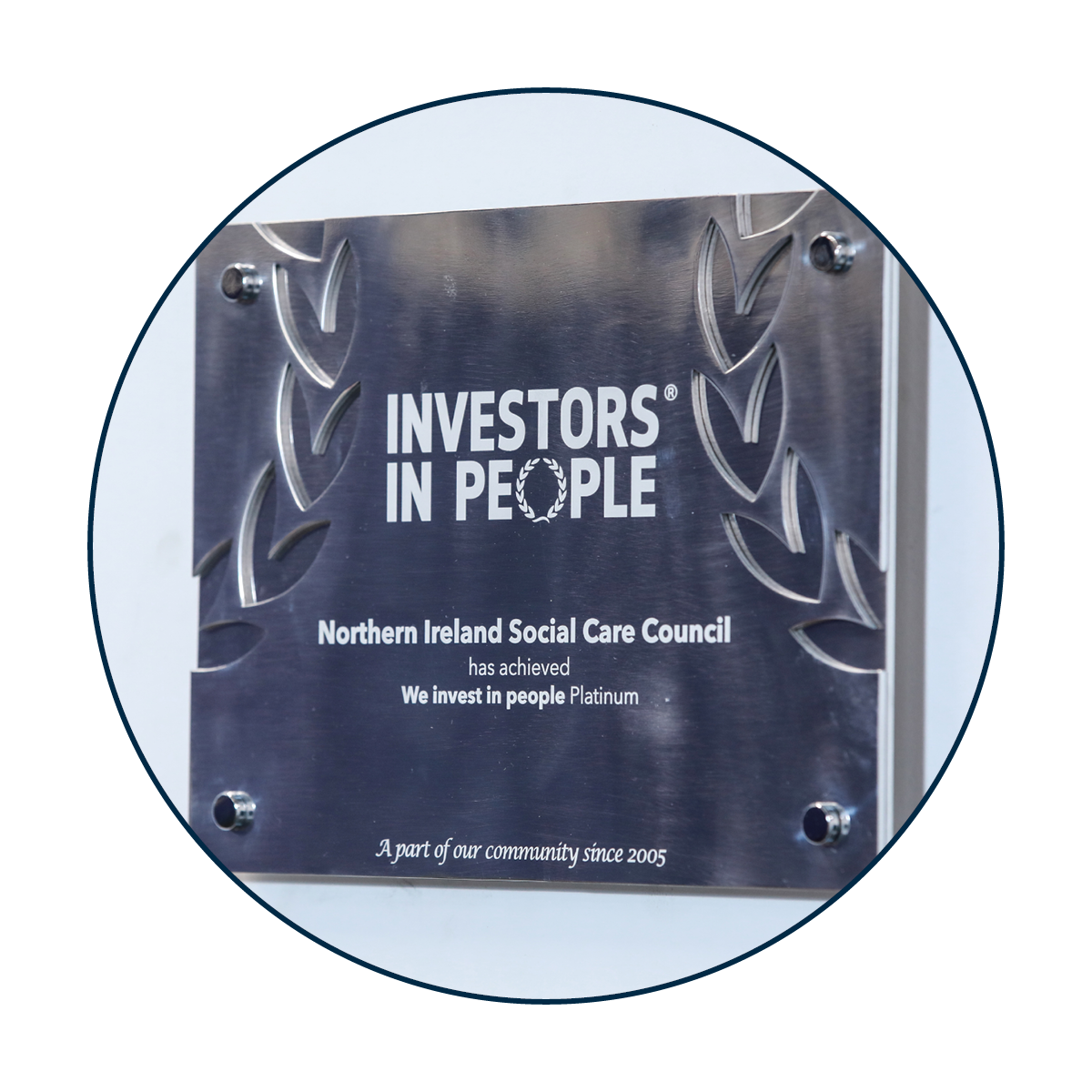
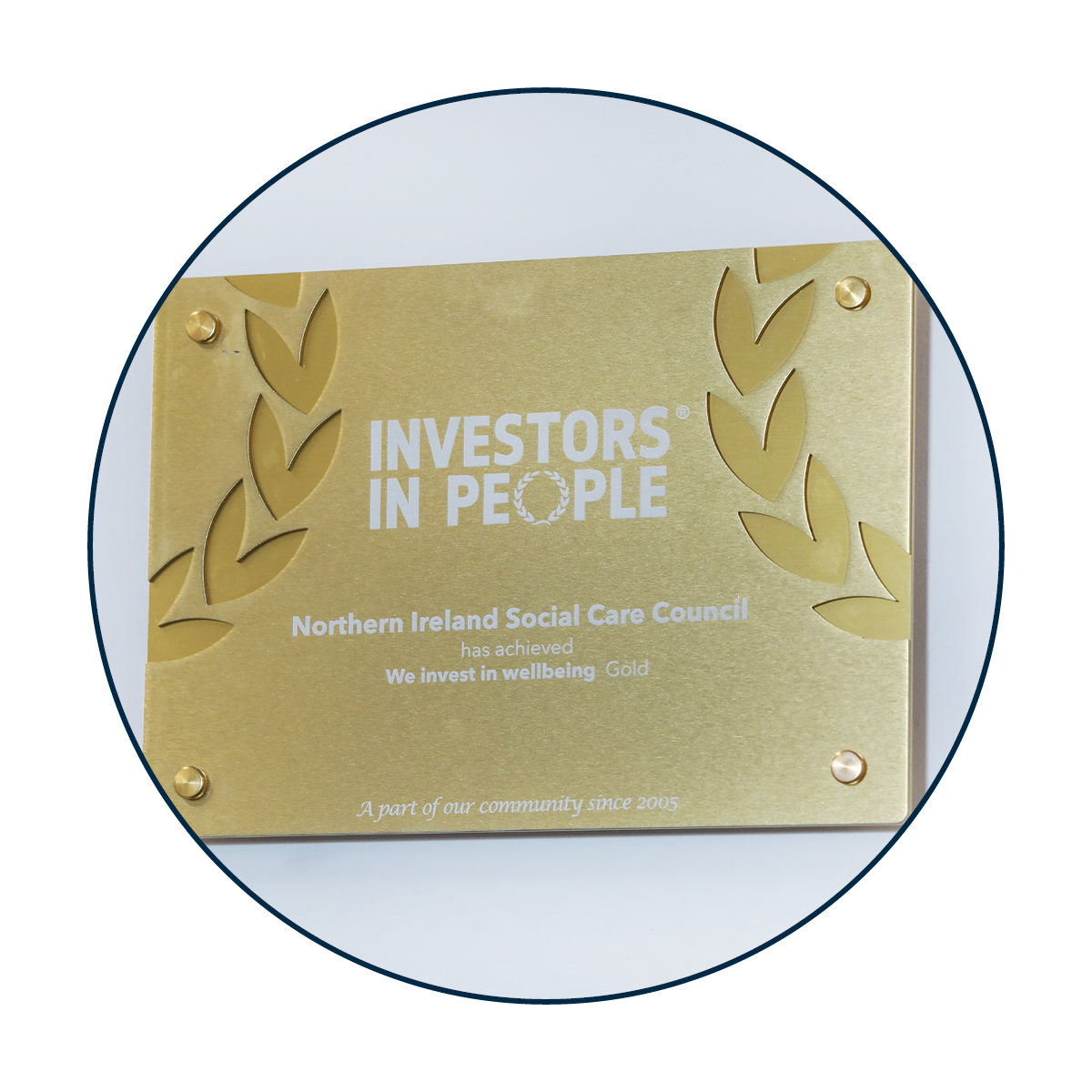
Investors in People (IIP) achievements
Did you know?
We have been an IIP organisation since 2005
• 2005 and 2008 – IIP.
• 2011 and 2014 – Bronze IIP.
• 2018 – Silver IIP.
• 2021 – Gold IIP and only HSC organisation with gold status.
• 2024 – Platinum IIP and retained gold status for wellbeing.
2014-15
Our journey into digital learning

Did you know?
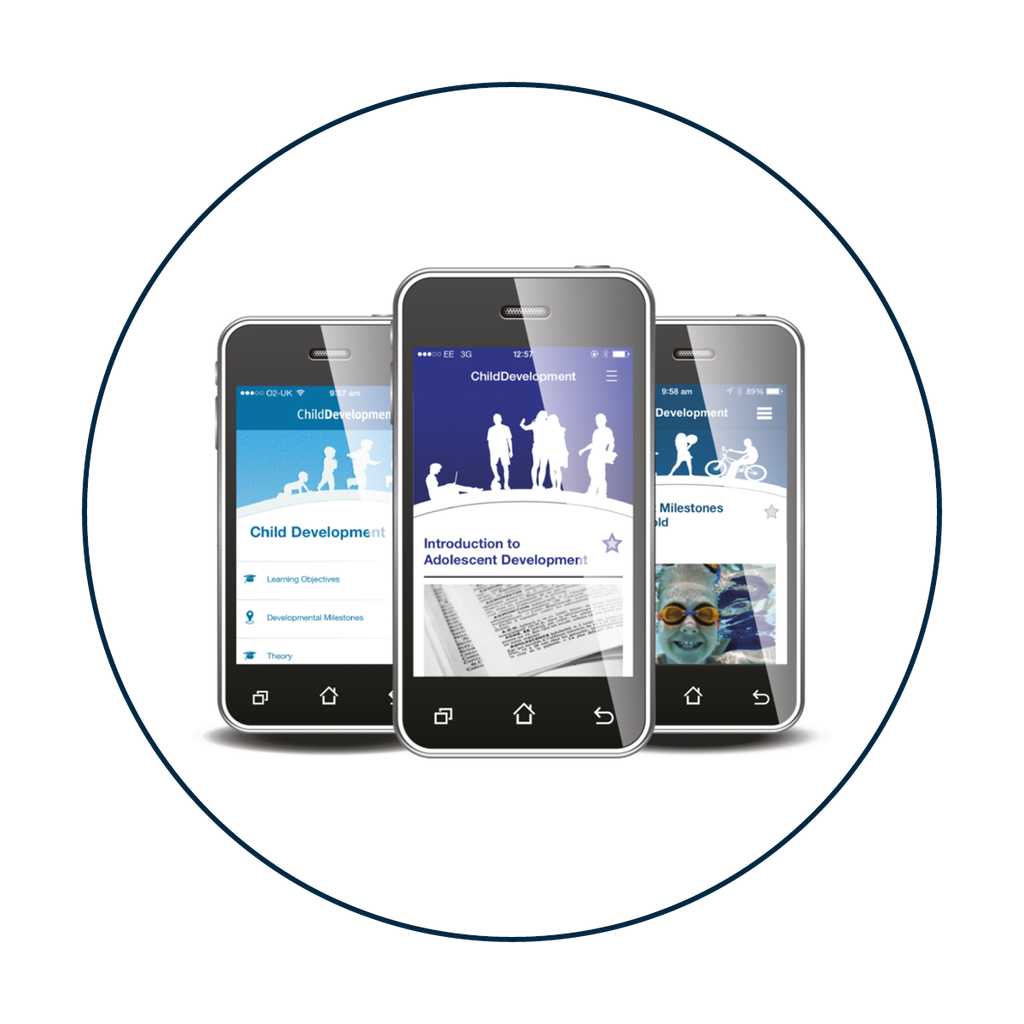
Our digital learning journey began in 2014 with the launch of our first mobile learning apps, focusing on child development, health and safety in childminding settings, and the domiciliary care toolkit. These pioneering resources paved the way for the extensive range of digital learning opportunities available today.
In 2018, we launched the Learning Zone and introduced the Adapt platform as our new authoring tool. Today, the Learning Zone hosts 55 free digital learning resources supporting the social care and social work workforce across a broad range of subjects, including Standards of Conduct and Practice, reflective practice, human rights, homelessness, loneliness, supporting children and young people’s development, community development, and decision-making.
Alongside the growth of the Learning Zone, our Lunchtime Seminar programme flourished, attracting hundreds of social workers and social care workers and creating valuable opportunities for shared learning and professional development.
Lunchtime Seminars also began and thrived with hundreds of social workers and social care workers regularly attending.
2015
Introduction of new standards of conduct and practice
Did you know?
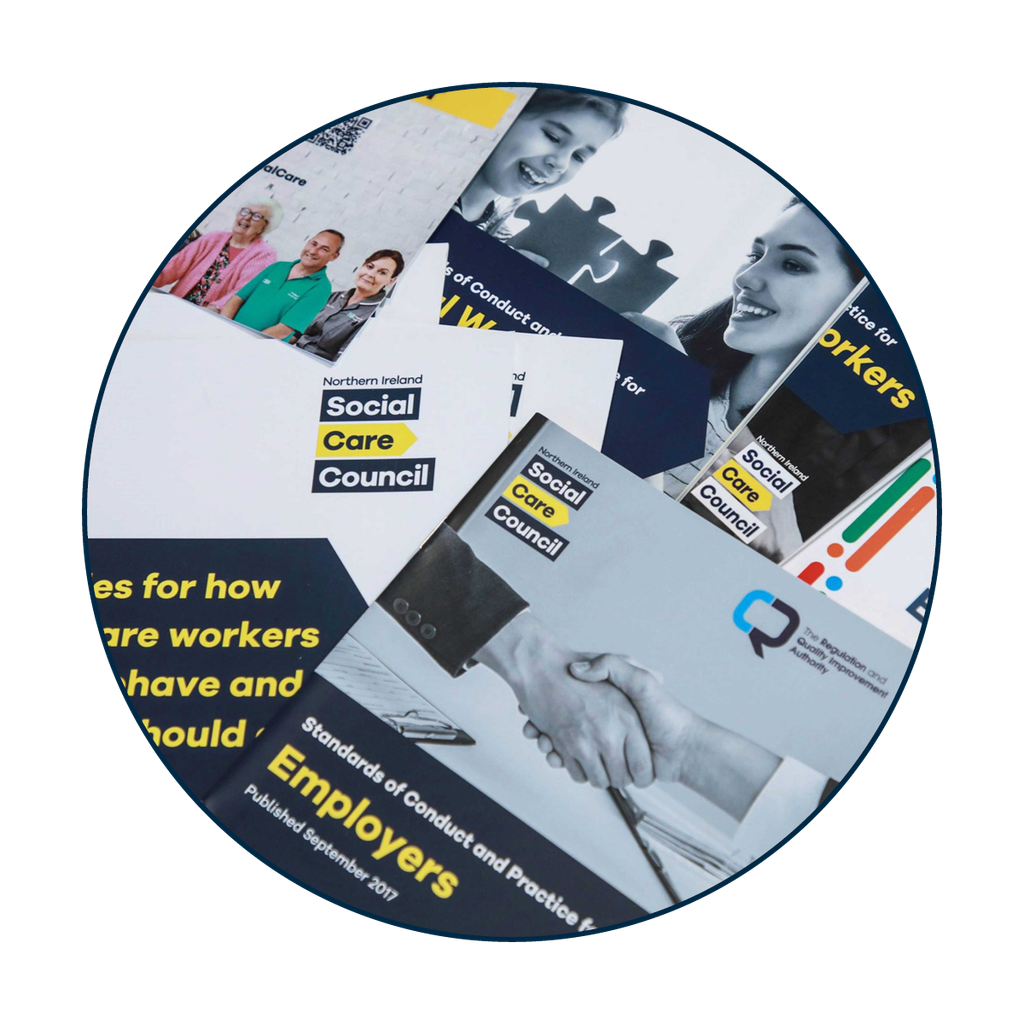
In 2015, the new Standards of Conduct and Practice for social workers and social care practitioners were launched – replacing the Codes of Practice.
Social Care Council Chairs through the years
Jeremy Harbison: 2001 – 2010
Lily Kerr: 2010 – 2012
Jim Perry: 2012 – 2018
Paul Martin: 2018 – 2025
Gerry Guckian (Interim Chair): 2025 – 2026
Sean Holland: 2026 to date

2016
Legislative amendments: Change to the Fitness of Practise model of regulation
Did you know?
In May 2016, new legislation passed to change from a conduct model of regulation to a Fitness to Practise model with new rules. This was a more flexible system with a broader range of sanctions.
Growth in registration – then and now
Did you know?
In 2011-12, sustained roll out of registration to social care practitioners including managers of residential care, day care and domiciliary care, which lead to in July 2012 registering the 20,000th registrant.
After registration became compulsory, the Register witnessed an increase from 15,127 registrants at the end of March 2012, and then again when work commenced in 2016 to add all social care practitioners including those in adult residential care, domiciliary care, day care and supported living. This meant the Register had 17,959 social care registrants in 2016, compared to 42,087 today (as of October 2026).
During this period the Social Care Council also held its first annual Social Care Managers’ Forum, which have been held annually every since.
2017-18
Revised standards launched
Did you know?
In 2017-18, the Social Care Council launched the revised Standards for employers of social workers and social care practitioners along with the Regulatory and Quality Improvement Authority (RQIA).
Award recognition and milestone publications
Did you know?
2017 – Human Services Information Technology Association (HusITa) Best App Award for an Understanding Child Development App series.
2017-2018 – Published two important social care reports, Social Care Matters and Economic Value of Social Care.
2018/19 – Published two reports with British Association of Social Workers (BASW) NI, Voices of Social Workers Through the Troubles and Relationships Matter – a study of complaints made by service users.
A joint research paper with the University of Ulster on “The Digital Skills, Experiences and Attitudes of the Northern Ireland Social Care Workforce towards Technology for Learning and Development: A Survey” published in the Journal of Medical Education.
The Social Care Council also introduced new branding: “Working together. Making a difference.”
2020 – Published article in the International Journal of Social Work Education, on Testing Partnership and Preparedness in NI During Covid-19, highlighting work to get social work students qualified early and join the workforce.
2021 – Workforce Development Team won European Social Services Outstanding Team Award for Covid learning resources.
2022 – Shortlisted for the European Social Services Award for the PiP Framework.
2024 – 2025 – Achieved the European Social Services Award successfully each year.
UK-wide report shows the economic value of social care has increased in Northern Ireland from £820m to £1.5 billion.
2026 – Learning Zone shortlisted for DHCNI Award for Partnership for Digital Innovation and the ‘Social care – Making a difference’ campaign was shortlisted for a CIPR Award.
2020
Covid pandemic – our supporting role in health and social care
Did you know?
The Social Care Council supported the Department of Health (DoH) through a workforce appeal, opening an emergency register which increased the Register to 52,000 registrants, developing additional learning resources and supporting vaccination campaigns.
Work continued including approving the new Open University route for the Degree in Social Work, an ECHO for domiciliary care managers, delivering a virtual PiP Awards ceremony and lunchtime seminars, and through all of this – winning the European Social Services Award.
2023
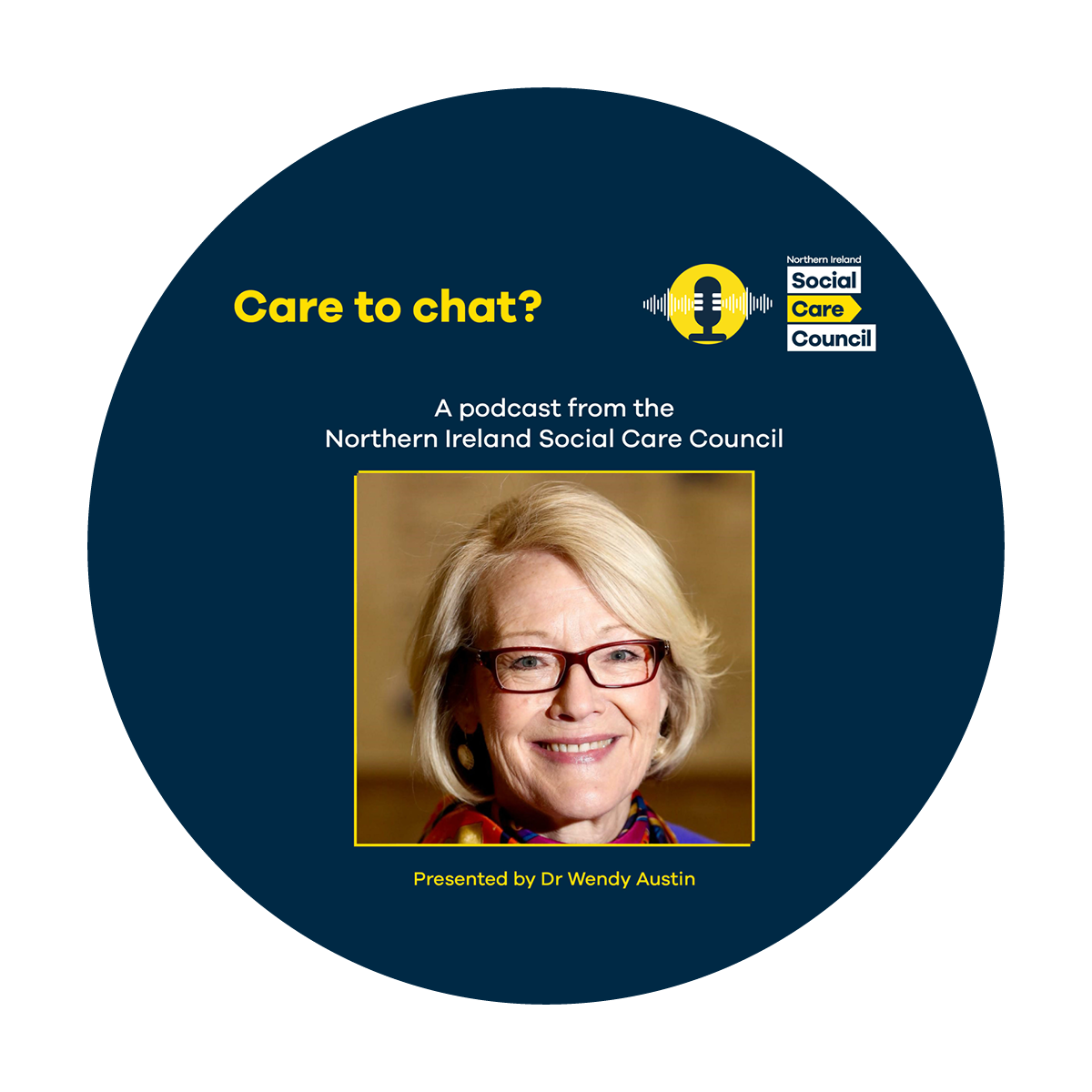
Launched Care to chat? podcast
Did you know?
First episodes released of the Care to chat? podcast, which features conversations that count for the social care and social work workforce. As of 2026 it has had over 15,000 listens (includes Apple, Spotify and YouTube) over 46 episodes.
Relocated to James House
Did you know?
In 2023 the Social Care Council moved from Millennium House to James House. The relocation aligned with the organisation’s agile working approach and commitment to providing a flexible working environment for its employees and those engaging with the Council.

Supporting social care and social work research

Did you know?
In 2023 Northern Ireland’s social care and social work agenda moved from the Strategic Planning and Performance Group (SPPG) to the Social Care Council. Achievements have included establishing a new Strategic Research and Evidence Partnership in 2024 and consulting on a new Research Strategy in 2026.
2024-2025
Technological improvements
Did you know?
During 2024 a new online platform was launched to support Fitness to Practise referrals and work took place that year to support the launch of a new Social Care Council app in 2025.
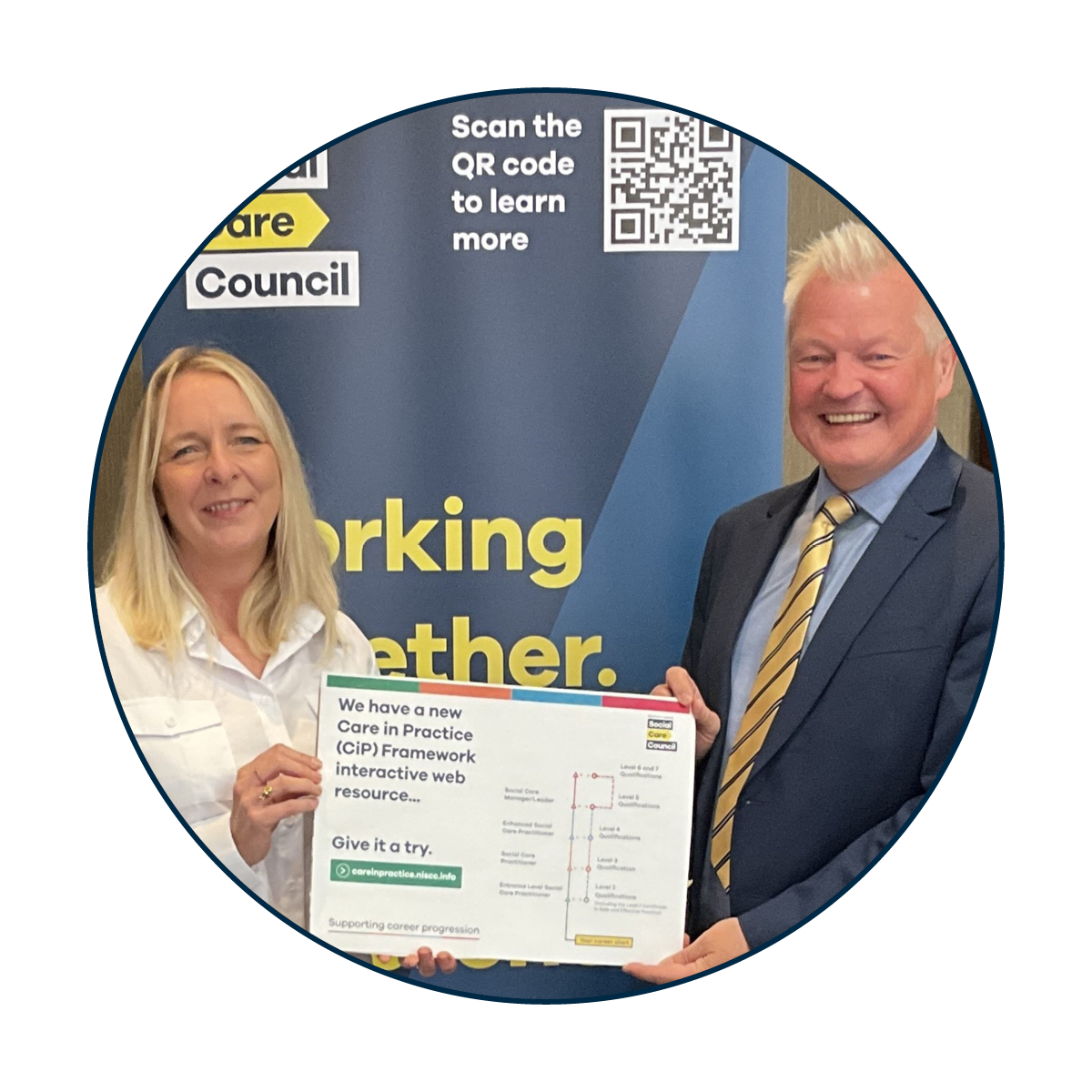
Launch of the Care in Practice (CiP) Framework
Something new
The CiP Framework supports social care practitioners and managers to develop professionally. It is made up of a Continuous Learning Pathway and Qualification Pathway. To support the new CiP Framework, the Social Care Council created an online interactive web resource dedicated to helping social care practitioners navigate and explore social care career pathways and support individuals to make informed career choices.
Connected to this was the review of social care qualifications in 2024-25, which lead to the launch of a new Level 2 Certificate in Safe and Effective Practice for social care practitioners in 2024 and new Level 5 qualification in Leadership and Management in Health and Social Care Services in 2026 for social care managers.
Something new
During 2025, along with other UK workforce regulators of social work and social care, the Social Care Council reviewed and updated the suite of National Occupational Standards (NOS) for Health and Social Care and Childcare Learning and Development (HSCCLD). These were then published in 2026.
2026
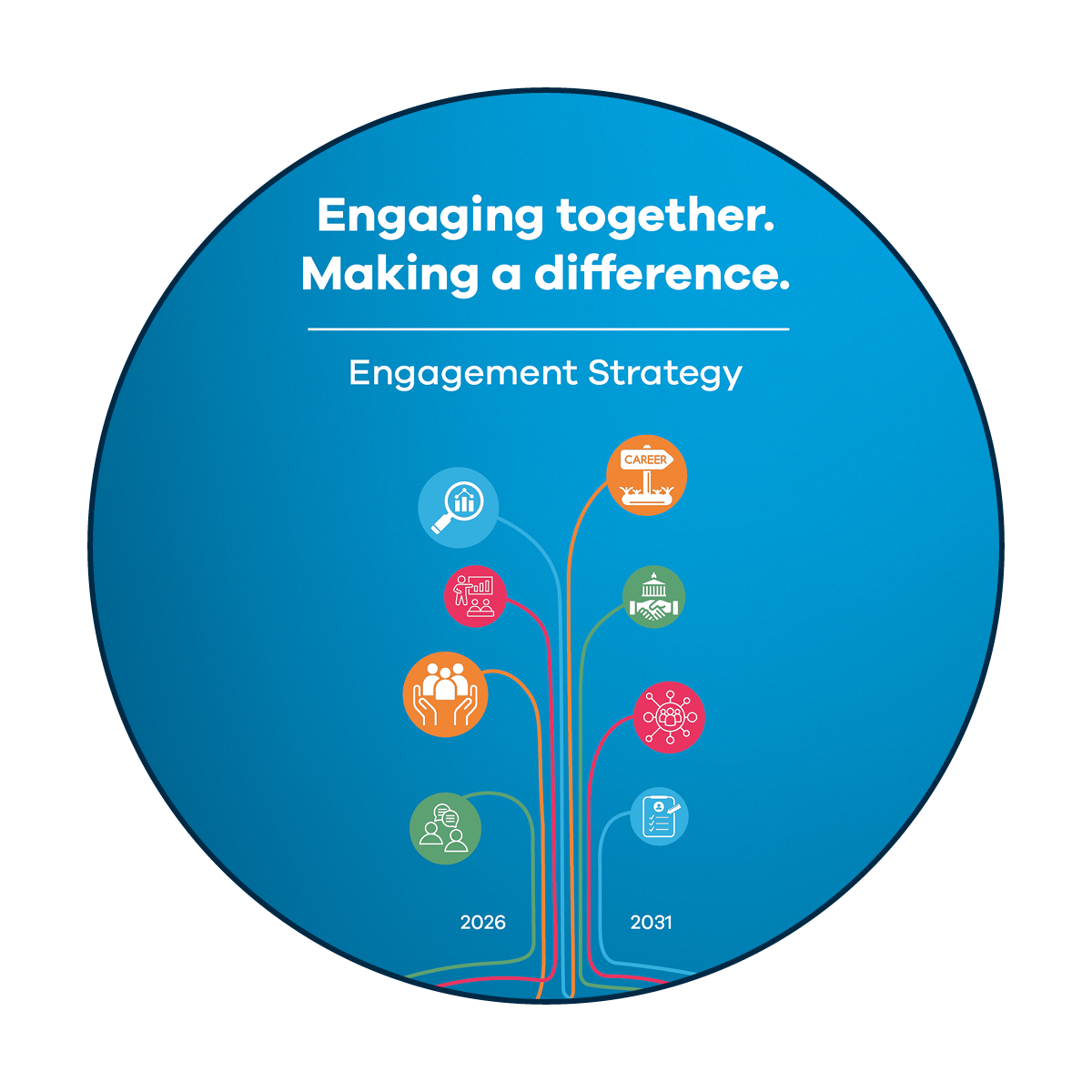
Engaging together. Making a difference.
Something new
Launched in 2026, the Social Care Council’s five-year Engagement Strategy outlines its goal of building trust and confidence among its stakeholders in its work to regulate the social care and social work workforce, to protect public health and safety. Developments like the Social Work Registrant Engagement Group and the engagement approach to consultations such as the 2026 Registration Fee Review Consultation are informed by this new Strategy.
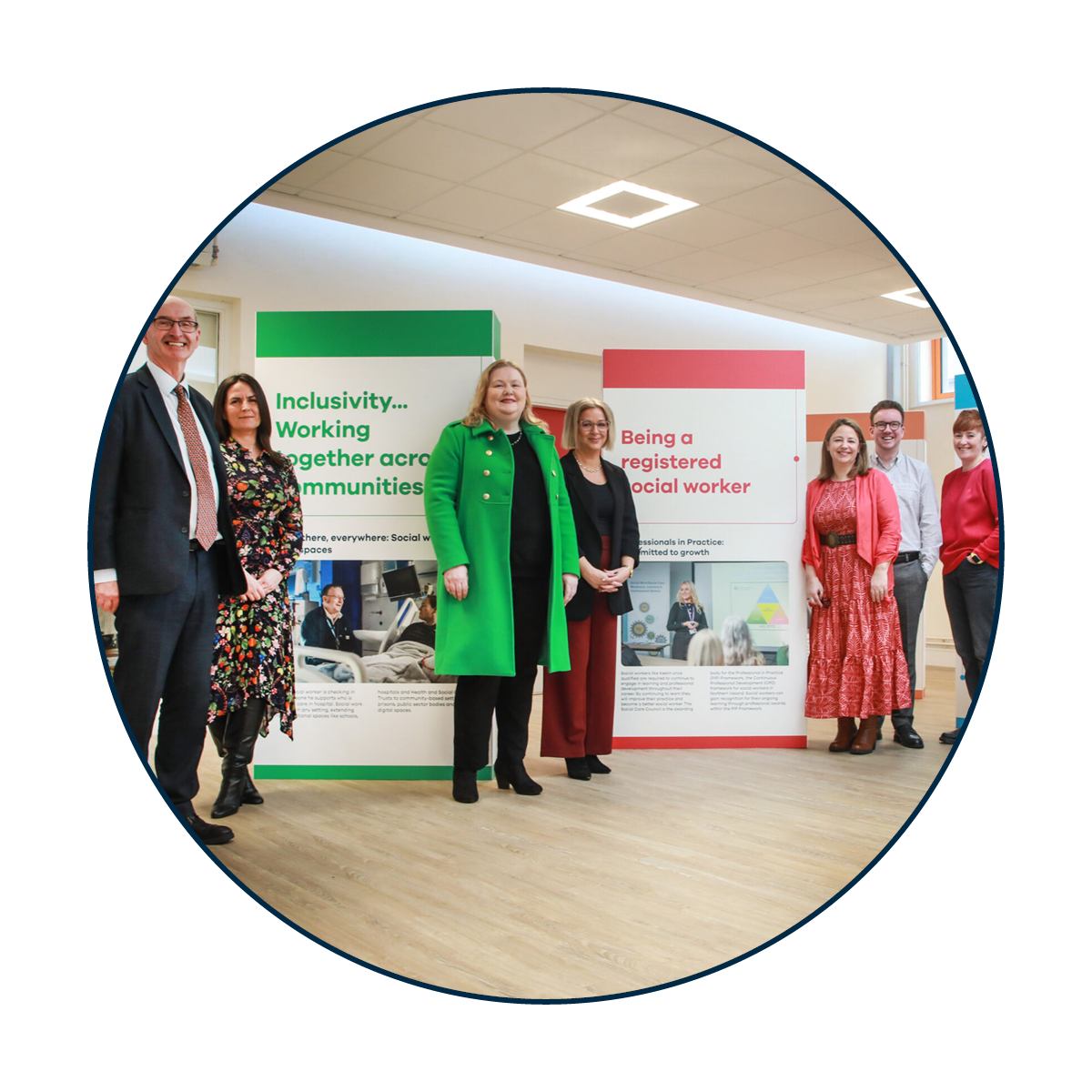
Six years of promoting social care and social work careers
Six years of running Department of Health sponsored campaigns promoting social work and social care as careers of choice including: ‘Holding space: Inside social work’ travelling exhibition, the Degree in Social Work (#Yes2SocialWork) and ‘Social care – Making a difference’.
1 October 2026 – 25 years of the Social Care Council